

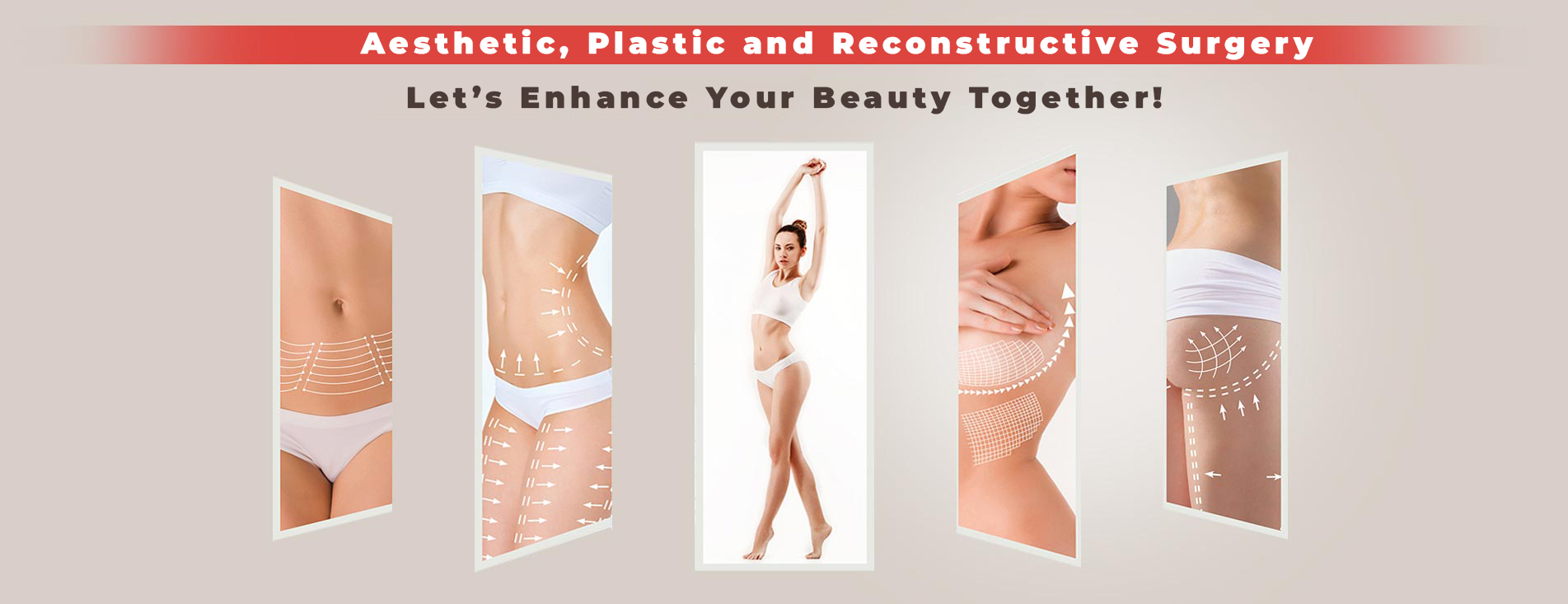


Abdominoplasty Surgery involves tightening loose or weakened abdominal muscles and removing excess skin, often addressing concerns such as sagging or stretch marks within the areas of skin being removed.
Abdominoplasty can provide transformative results for:
Our hospital offers three different Abdominoplasty techniques:
Mini, Traditional and 360° Tummy Tucks.
For enhanced results, abdominoplasty can be combined with liposuction to refine body contours further.

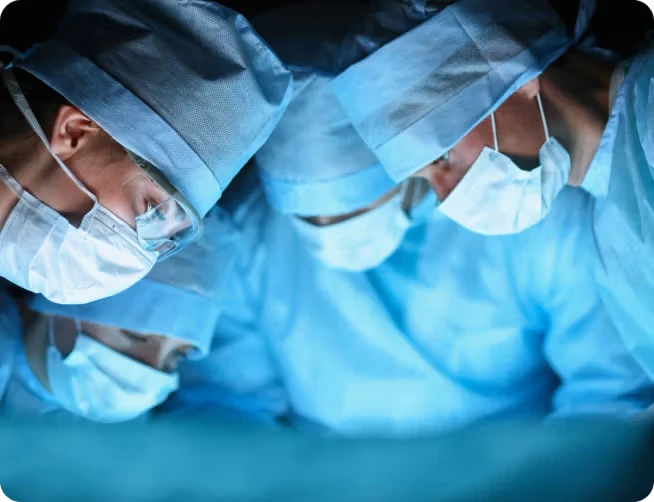
The first step is a consultation with one of our surgeons to discuss your goals, health history, and realistic outcomes. Our surgeon will evaluate your abdomen to determine the type of abdominoplasty that will achieve the best results, whether it’s a full, mini, or 360°.
We will provide instructions on how to prepare for surgery, which may include guidelines on smoking, medications, and adjustments to your diet.
On the day of surgery, the patient is taken to the operating room, where anaesthesia is administered. A Tummy Tuck is typically performed under general anaesthesia, ensuring the patient is asleep and pain-free throughout the procedure.
A horizontal incision is made just above the pubic hairline. The shape and length of the incision will be determined by the amount of excess skin. In full abdominoplasty, another incision around the navel may be necessary to remove excess skin in the upper abdomen.
The skin is lifted, and excess fat may be trimmed or suctioned out. Underlying weakened abdominal muscles are repaired and sutured.
After the muscles are tightened, the skin is stretched down, and any excess skin is removed. A new hole is cut for the navel if the original navel is relocated due to skin repositioning. The incisions are closed with sutures, skin adhesives, tapes, or clips. Drains may be placed under the skin to collect any excess blood or fluid.
While abdominoplasty is a highly effective procedure, it requires proper care for optimal results. Full recovery typically takes about three months, although most patients can resume non-strenuous work within two to three weeks. A supportive corset is worn for up to six weeks to aid healing and help maintain the new body shape. The results are technically permanent, but factors like significant weight fluctuations or pregnancy may impact long-term outcomes.
Important Considerations
It is important to note that a tummy tuck is not a substitute for weight loss or a structured exercise routine. Patients planning to lose a significant amount of weight or considering future pregnancies are advised to postpone the procedure to ensure lasting results. Additionally, while abdominoplasty can improve stretch marks located within the areas of excess skin removed, it does not eliminate all stretch marks.

We are proud to offer modern facilities which are continually updated, equipped with the latest medical technologies and practices. This commitment to innovation allows us to provide you with the highest standard of care possible.

Please consult your doctor on when you can resume normal activities, as this varies based on the severity of your surgery. For Aesthetic Surgery, training and sports should be avoided for at least eight weeks post-surgery, or as specifically advised for your case. If you have any concerns, please do not hesitate to contact Vatan Healthcare.

In case of any issues when you are back in your home country, you can reach us using the contact numbers provided. The actions we take in response to complications depend on the specific issue.
Once this issue has been raised, we will usually arrange a follow-up consultation with the patient, either via phone or video call, to speak with the surgeon. In some cases, the surgeon may request additional photos of the complication to assess it more thoroughly. Based on the surgeon's evaluation, the patient may receive updated care instructions, additional medication recommendations, be directed to a relevant healthcare facility, or be invited back to our hospital for further treatment if necessary.
Additionally, we issue complication insurance to offer added protection and advantages for our patients, and we stand firmly behind the care we provide. Reach out to us for more information about this.


For Aesthetic Surgery, swelling can last 6 to 12 months. Some patients experience minimal swelling within the first six months, while for others, it may take up to 18 months.
 Whatsapp
 Phone
Phone