

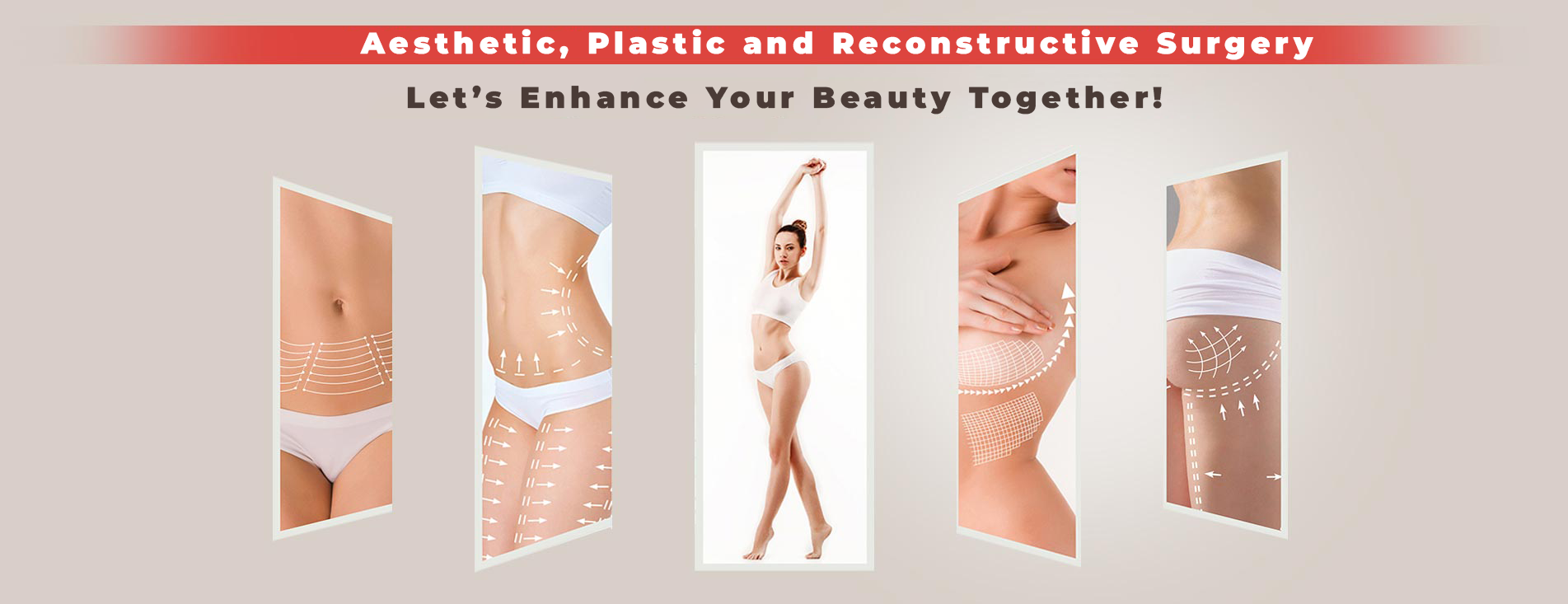


Liposuction is a surgical procedure that aims to remove this excess fat from specific areas of the body. This can help shape and contour these areas, making it a popular choice for those looking to refine their body shape.
Areas like the abdomen, waist, back, thighs, or hips can hold onto excess fat, preventing you from achieving your ideal shape. Vaser Liposuction (also known as Ultrasound-Assisted Liposuction) has revolutionised the way we can shape and contour the body.
Best suited for those with firm, elastic skin near their target weight, this procedure delivers long-lasting results—helping you maintain a beautifully sculpted figure provided you lead a healthy lifestyle.
By utilising ultrasound energy, fat cells are gently broken down and then suctioned out, leaving surrounding tissues unharmed. This advanced technique not only removes excess fat but also promotes skin tightening and ensures a faster recovery, so you can get back to your daily routine sooner.
Lipedema is a chronic condition characterised by the symmetrical accumulation of fat, most commonly affecting the legs and sometimes the arms, while the hands and feet remain unaffected. It primarily occurs in women and is often associated with hormonal changes.
Unlike general weight gain, lipedema does not typically respond to diet or exercise. It may present with tenderness, easy bruising, and a feeling of heaviness, and is often mistaken for cellulite or obesity. However, it requires a specialised and personalised medical approach.
While lipedema cannot be completely eliminated, its symptoms can be effectively managed with a comprehensive and individualised treatment plan. This may include lifestyle support, compression therapy, and lymphatic treatments.
In selected cases, advanced liposuction techniques may be considered to help reduce symptoms, improve mobility, and enhance overall quality of life.
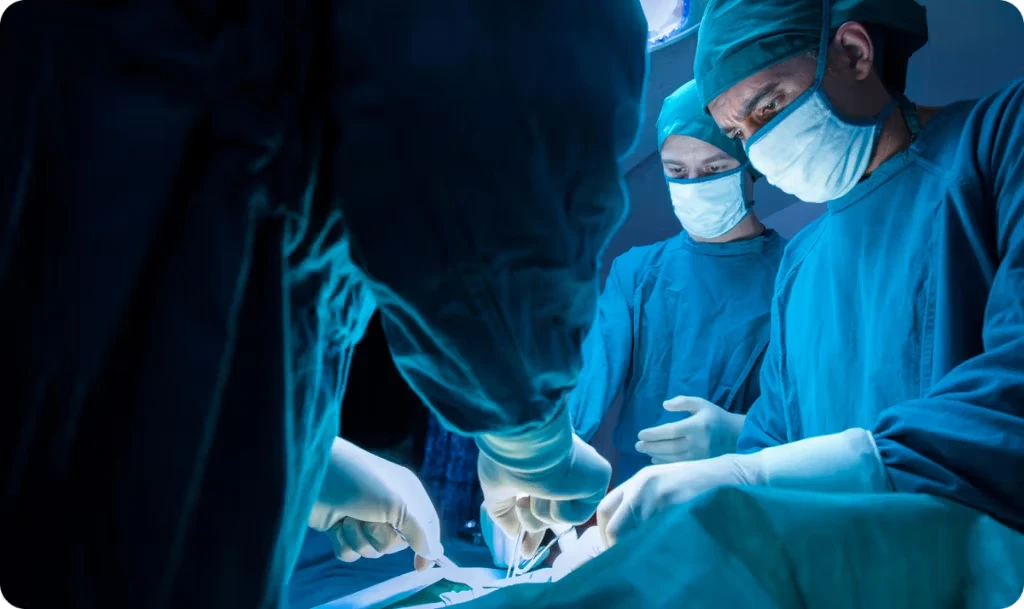
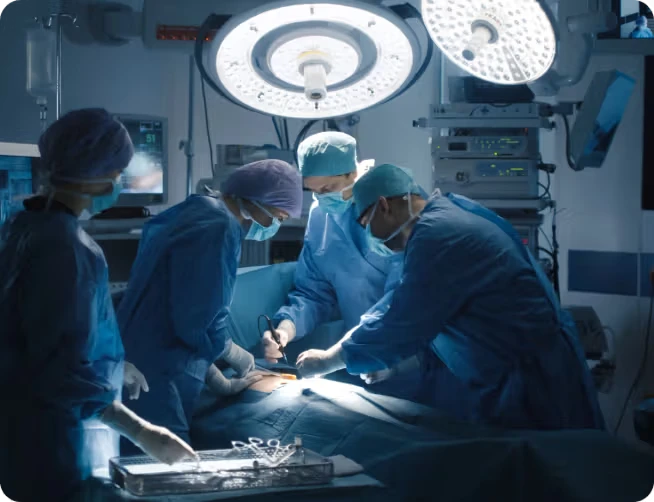
You'll first have a consultation with one of our plastic surgeons to discuss your goals, review your medical history, and decide if you're a good candidate for liposuction. This includes discussing the areas of your body you want to target and any risks or potential complications.
Before undergoing liposuction, it’s important to:
On the day of surgery, the patient is taken to the operating room, where anaesthesia is administered. A Liposuction is typically performed under general anaesthesia, ensuring the patient is asleep and pain-free throughout the procedure.
Small, inconspicuous incisions are made near the area where fat is to be removed. These incisions are usually only a few millimeters long and are strategically placed to be as discreet as possible.
A thin tube called a cannula is inserted through the incisions. The cannula is connected to a vacuum that suctions out the fat as the surgeon moves it back and forth through the fat layer to break it up and draw it out. Techniques vary based on the specific method being used, such as tumescent liposuction (where a medicated solution is first injected into the fatty areas to facilitate fat removal and minimise bleeding and pain) or ultrasound-assisted liposuction (UAL), which uses sound waves to liquefy the fat.
During the procedure, the surgeon carefully manipulates the cannula to contour the area to the desired shape. This step is crucial for achieving a natural and symmetrical look. Incisions may then be stitched up or left open to drain excess fluids, depending on the specific circumstances and techniques used.
Postoperative care for liposuction is essential to ensure optimal results and a smooth recovery. To ensure optimal outcomes, patients wear compression garments post-surgery for 4 to 8 weeks, depending on the extent of the procedure. This helps reduce swelling and enhances healing. While temporary bruising and swelling are normal, they fade over time, revealing your refined contours.
It is also important to follow the surgeon’s instructions regarding physical activity, wound care, and hydration. For personalised guidance and detailed aftercare recommendations, we encourage you to schedule a consultation with our surgeon.

We are proud to offer modern facilities which are continually updated, equipped with the latest medical technologies and practices. This commitment to innovation allows us to provide you with the highest standard of care possible.
Please consult your doctor on when you can resume normal activities, as this varies based on the severity of your surgery. For Aesthetic Surgery, training and sports should be avoided for at least eight weeks post-surgery, or as specifically advised for your case. If you have any concerns, please do not hesitate to contact Vatan Healthcare.

In case of any issues when you are back in your home country, you can reach us using the contact numbers provided. The actions we take in response to complications depend on the specific issue.
Once this issue has been raised, we will usually arrange a follow-up consultation with the patient, either via phone or video call, to speak with the surgeon. In some cases, the surgeon may request additional photos of the complication to assess it more thoroughly. Based on the surgeon's evaluation, the patient may receive updated care instructions, additional medication recommendations, be directed to a relevant healthcare facility, or be invited back to our hospital for further treatment if necessary.
Additionally, we issue complication insurance to offer added protection and advantages for our patients, and we stand firmly behind the care we provide. Reach out to us for more information about this.


For Aesthetic Surgery, swelling can last 6 to 12 months. Some patients experience minimal swelling within the first six months, while for others, it may take up to 18 months.
 Whatsapp
 Phone
Phone