

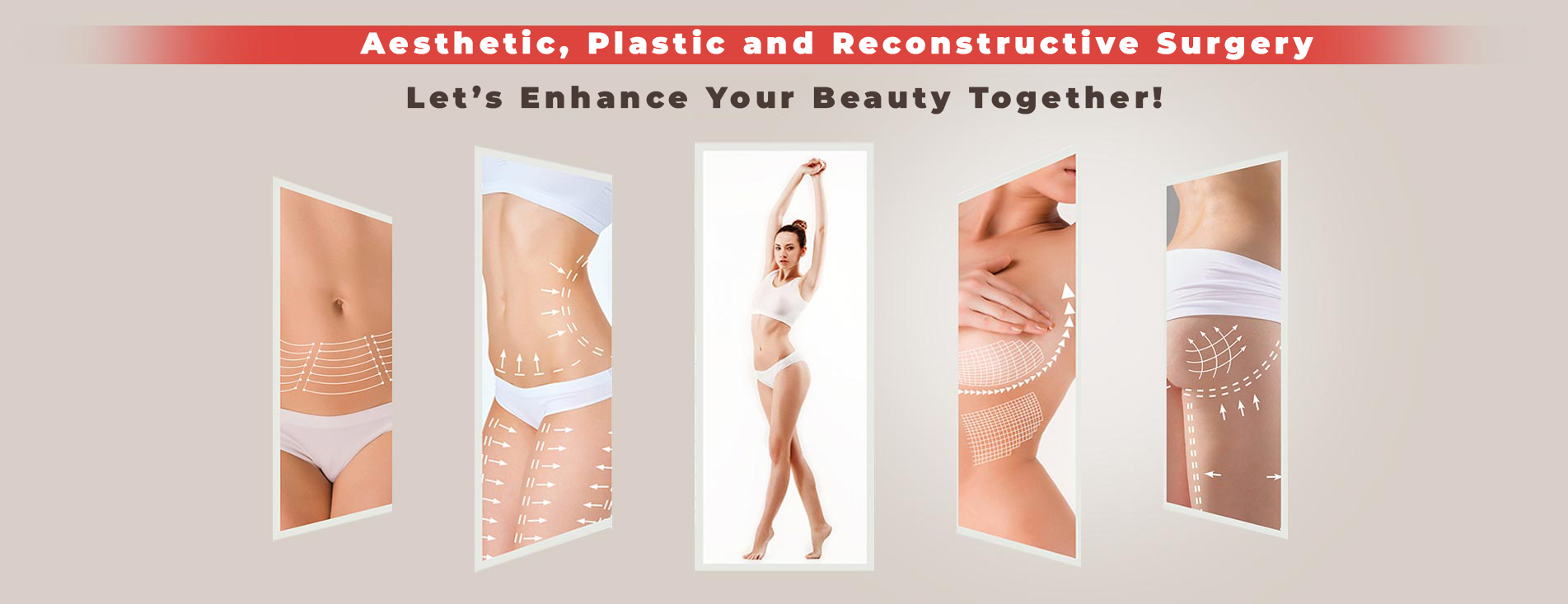


This arm lift procedure is commonly performed on individuals who have sagging or loose skin on the upper arms due to significant weight loss, aging, or genetic factors. The surgery tightens and smooths the underlying supportive tissue, resulting in a more toned and youthful contour of the arms.
The process begins with a detailed consultation with one of our experienced surgeons. During this appointment, the surgeon will review the patient’s medical history, performs a physical examination, and discusses the patient’s goals and expectations.
The surgeon evaluates the patient's skin elasticity, tissue condition, and overall arm structure to determine the most appropriate surgical technique.
Preoperative instructions will be provided, which may include avoiding certain medications or supplements, fasting, putting a stop to habits such as smoking, and maintaining a stable weight before surgery. Patients are also advised to arrange post-operative care and support.
On the day of surgery, the patient is brought to the operating room. Brachioplasty is typically performed under general anaesthesia, ensuring the patient is asleep and pain-free throughout the procedure.
In some cases, local anaesthesia with sedation may be used, depending on the extent of the surgery and the patient’s health.
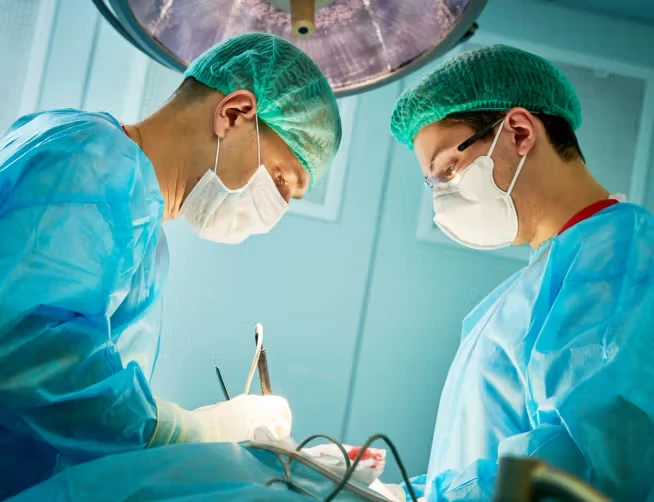
Before beginning the surgery, our surgeon makes precise markings on the upper arms to guide the placement of incisions and the amount of skin and fat to be removed. These markings help ensure symmetry and optimal results.
The most common incision extends from the armpit to the elbow along the inner arm, though in some cases, a more limited incision may be made in the armpit (a "mini" Brachioplasty) for patients with minimal excess skin.
The surgeon makes an incision along the marked area. For traditional Brachioplasty, this incision typically runs from the armpit to the elbow along the inside or back of the arm.
Excess skin is removed, and in cases where additional contouring is needed, liposuction may be performed to remove stubborn fat deposits. This step helps create a more toned and defined upper arm contour.
After removing excess skin and fat, the surgeon tightens the underlying supportive tissue and structures (the fascia) using internal sutures. This step helps to create a more sculpted and smooth arm shape.
The remaining skin is then re-draped over the newly contoured arm to provide a smoother, more youthful appearance.
Once the reshaping and removal of tissue are complete, the incisions are closed with sutures. These may be dissolvable or non-dissolvable, depending on the surgeon’s preference and the patient’s individual situation.
The surgeon takes care to place incisions in locations that can be hidden as much as possible, such as along the inside of the arm. However, there might be some scarring.
After the incisions are closed, sterile dressings are applied to the surgical area. The patient is typically fitted with a compression garment that wraps around the upper arms. This garment helps reduce swelling, supports the healing tissues, and helps the skin conform to the new arm contours.
The compression garment also helps minimize the risk of fluid accumulation (seroma) and promotes better circulation for optimal healing.
After surgery, the patient is taken to a recovery area, where they are monitored until fully awake and stable.
Patients are provided with detailed postoperative care instructions, including how to care for the incision sites, apply prescribed ointments, and wear compression garments as directed.
Pain, swelling, and bruising are common in the first few weeks and can be managed with prescribed pain medications. Patients are advised to avoid strenuous activities, heavy lifting, and arm movements that may strain the healing tissues for several weeks.
Follow-up consultations are scheduled within the first week after surgery to monitor the healing process, remove any non-dissolvable sutures, and assess for potential complications such as infection, hematoma, or seroma formation.
Additional follow-up consultations are scheduled over the next few weeks and months to ensure proper healing, address any concerns, and evaluate the final results.
As with any surgical procedure, Brachioplasty carries potential risks and complications, including infection, bleeding, scarring, changes in skin sensation, asymmetry, seroma (fluid accumulation), and poor wound healing. Most complications are rare and can be minimised by carefully following the surgeon’s postoperative care instructions.
Scarring is a common concern, as the incision line may be visible. However, over time, the scar typically fades and becomes less noticeable.

We are proud to offer modern facilities which are continually updated, equipped with the latest medical technologies and practices. This commitment to innovation allows us to provide you with the highest standard of care possible.
Please consult your doctor on when you can resume normal activities, as this varies based on the severity of your surgery. For Aesthetic Surgery, training and sports should be avoided for at least eight weeks post-surgery, or as specifically advised for your case. If you have any concerns, please do not hesitate to contact Vatan Healthcare.
In case of any issues when you are back in your home country, you can reach us using the contact numbers provided. The actions we take in response to complications depend on the specific issue.
Once this issue has been raised, we will usually arrange a follow-up consultation with the patient, either via phone or video call, to speak with the surgeon. In some cases, the surgeon may request additional photos of the complication to assess it more thoroughly. Based on the surgeon's evaluation, the patient may receive updated care instructions, additional medication recommendations, be directed to a relevant healthcare facility, or be invited back to our hospital for further treatment if necessary.
Additionally, we issue complication insurance to offer added protection and advantages for our patients, and we stand firmly behind the care we provide. Reach out to us for more information about this.

For Aesthetic Surgery, swelling can last 6 to 12 months. Some patients experience minimal swelling within the first six months, while for others, it may take up to 18 months.
 Whatsapp
 Phone
Phone