



A face and/or neck lift can provide a long-lasting solution for those seeking significant improvement in facial and neck aging, offering a natural and refreshed appearance that can boost self-esteem and enhance overall quality of life.
Face and Neck Lift Procedures: A Step-by-Step Guide
The process begins with a detailed consultation with one of our experienced surgeons. During this appointment, our surgeon will review the patient's medical history, conducts a physical examination, and discusses the patient’s goals and expectations.
The surgeon evaluates skin elasticity, facial bone structure, and the degree of sagging in the face and neck to determine the most appropriate surgical approach.
Preoperative instructions will be provided, which may include avoiding certain medications or supplements, fasting, putting a stop to habits such as smoking or drinking, to reduce the risk of bleeding and promote healing.
On the day of surgery, the patient is taken to the operating room, where anaesthesia is administered. A face and neck lift is typically performed under general anaesthesia, ensuring the patient is asleep and pain-free throughout the procedure.
In some cases, local anaesthesia with sedation may be used for less extensive procedures, depending on the surgeon's recommendation and patient preferences.
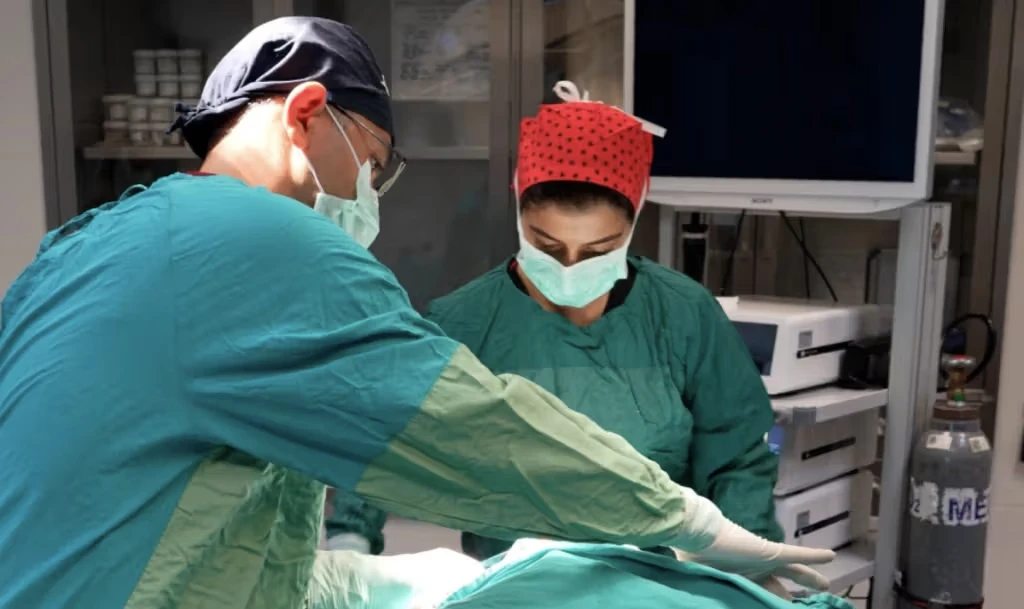
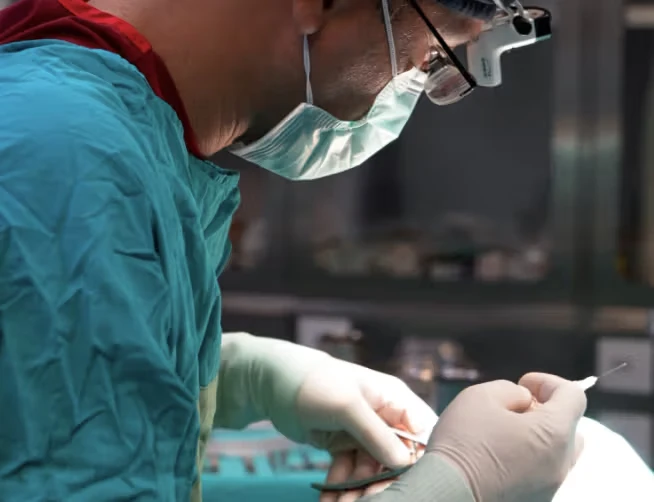
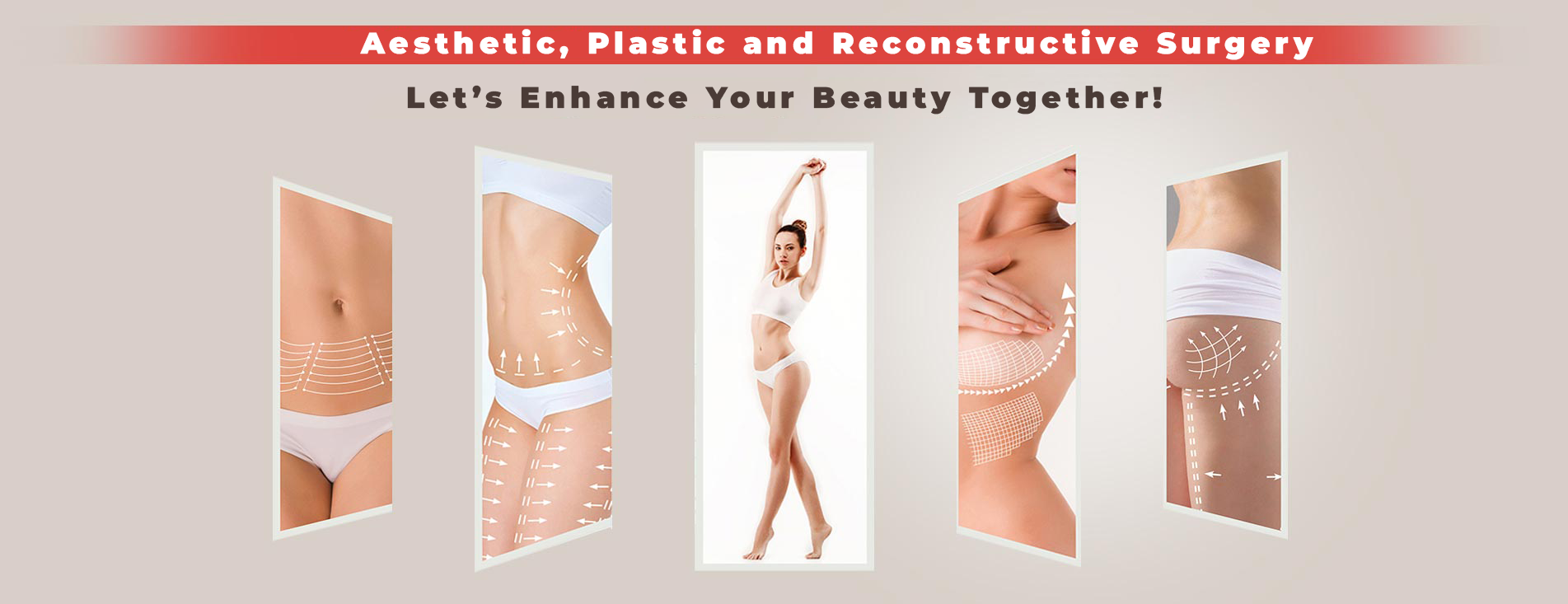
Before surgery begins, the surgeon makes precise markings on the face and neck to guide incision placement. These markings help achieve optimal results and symmetry by highlighting areas where the skin will be lifted, excess tissue removed, and underlying structures adjusted.
The choice of incision technique depends on the extent of the lift needed, the patient’s facial structure, and the desired results. Common incision patterns include:
This involves incisions that begin in the hairline near the temples, continue around the ear, and end in the lower scalp. A small incision may also be made under the chin to address loose skin and fat in the neck area.
This technique involves shorter incisions starting at the temples and continuing around the ear. It is suitable for patients with mild to moderate sagging and offers shorter recovery times with less scarring.
An incision is made under the chin and sometimes around the ear to tighten the skin and muscles of the neck, reduce jowls, and remove excess fat deposits.
Once the incisions are made, the surgeon carefully lifts the skin from the underlying facial muscles and fat. The deeper layers of the face, including the SMAS (Superficial Musculoaponeurotic System) layer, are lifted and tightened to restore a more youthful facial contour and structure.
The underlying facial muscles and tissues are repositioned and secured with sutures to create a natural lift that supports the overlying skin. This step is crucial for achieving long-lasting and natural-looking results.
The surgeon removes any excess skin that contributes to sagging and deep wrinkles. For patients with excess fat in the jowls or neck, liposuction or direct excision of fat may be performed to enhance the contour of the jawline and neck.
If a neck lift is included, the surgeon tightens the platysma muscles (the muscles in the neck) and may use a technique called Platysmaplasty to reduce neck banding and create a smoother neck profile.
After the underlying tissues have been lifted and excess skin removed, the remaining skin is gently re-draped over the newly shaped contours. The skin is then trimmed, and incisions are meticulously closed with sutures or skin adhesives to minimise scarring.
The incisions are usually placed within the hairline and natural creases around the ears to make them less noticeable. A small drainage tube may be placed temporarily under the skin to prevent fluid accumulation and is typically removed within a few days post-surgery.
After the incisions are closed, the face and neck are covered with sterile dressings. A soft compression bandage is often applied around the face and neck to minimise swelling, support the healing tissues, and help the skin conform to its new contours.
The patient is taken to a recovery area to be monitored until they are fully awake and stable. Most face and neck lifts are performed on an outpatient basis, allowing the patient to go home the same day, provided there are no complications.
Postoperative care includes managing pain and swelling with prescribed medications, using cold compresses, and keeping the head elevated to reduce swelling.
Patients are advised to avoid strenuous activities, bending, or heavy lifting for at least 2-4 weeks after surgery. Light activities and walking are encouraged to promote circulation and reduce the risk of blood clots.
Follow-up consultations are scheduled to monitor the healing process, remove any sutures if necessary, and assess for potential complications such as infection, hematoma, or poor wound healing.
The surgeon will evaluate the surgical results and ensure the patient is progressing well.
Like any surgical procedure, a face and neck lift carry potential risks and complications, such as infection, bleeding, scarring, nerve injury, hair loss at the incision sites, skin irregularities, or prolonged swelling. However, most complications are rare and can be minimised by following the surgeon’s postoperative care instructions carefully.

We are proud to offer modern facilities which are continually updated, equipped with the latest medical technologies and practices. This commitment to innovation allows us to provide you with the highest standard of care possible.

Please consult your doctor on when you can resume normal activities, as this varies based on the severity of your surgery. For Aesthetic Surgery, training and sports should be avoided for at least eight weeks post-surgery, or as specifically advised for your case. If you have any concerns, please do not hesitate to contact Vatan Healthcare.

In case of any issues when you are back in your home country, you can reach us using the contact numbers provided. The actions we take in response to complications depend on the specific issue.
Once this issue has been raised, we will usually arrange a follow-up consultation with the patient, either via phone or video call, to speak with the surgeon. In some cases, the surgeon may request additional photos of the complication to assess it more thoroughly. Based on the surgeon's evaluation, the patient may receive updated care instructions, additional medication recommendations, be directed to a relevant healthcare facility, or be invited back to our hospital for further treatment if necessary.
Additionally, we issue complication insurance to offer added protection and advantages for our patients, and we stand firmly behind the care we provide. Reach out to us for more information about this.


For Aesthetic Surgery, swelling can last 6 to 12 months. Some patients experience minimal swelling within the first six months, while for others, it may take up to 18 months.
 Whatsapp
 Phone
Phone