



The procedure involves three key steps:
Ideally, candidates are healthy individuals with sufficient fat stores in donor areas and realistic expectations. During your consultation, our specialists will assess your unique needs and determine if fat transfer is the best solution for you.
The process begins with a detailed consultation with one of our experienced surgeons. During this appointment, the surgeon will review the patient’s medical history, performs a physical examination, and discusses the patient’s goals and expectations.
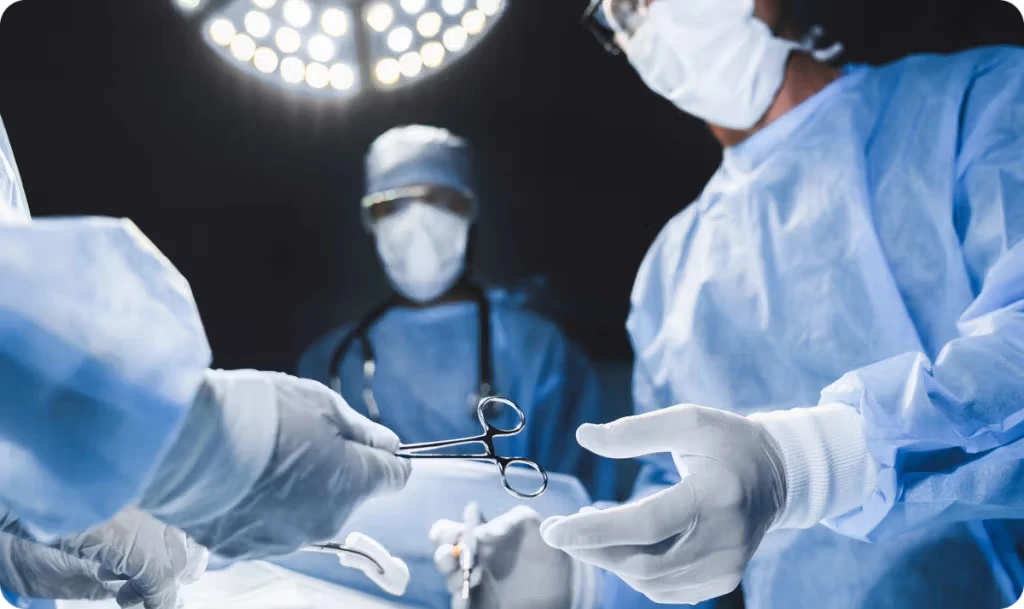
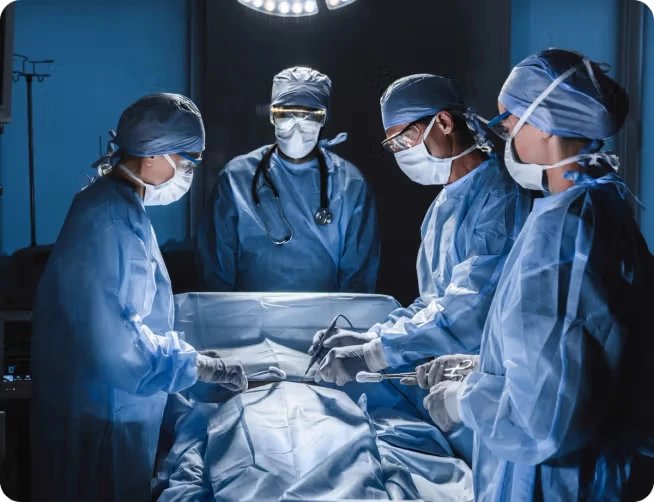
On the day of surgery, the patient is taken to the operating room, where anaesthesia is administered. A Fat Transfer is typically performed under general anaesthesia, ensuring the patient is asleep and pain-free throughout the procedure.
The chosen area is incised, and a cannula (a small, hollow tube) is inserted to extract fat using a syringe or a vacuum-assisted device. Fat is then removed from a donor site where excess fat deposits exist, such as the abdomen, thighs, or hips.
The area to receive the fat grafts is prepared. Using small needles or cannulas, fat is carefully injected at various depths and points in the target area. This process may be repeated several times to create layers of fat, which helps build a natural-looking volume and improves the survival rate of the fat cells.
The incisions at both the donor and recipient sites are usually small and may be closed with sutures or left to heal naturally depending on the size and location.
Recovery is generally quick, with mild swelling or bruising that resolves within a few weeks. Although some of the transferred fat may be reabsorbed by the body during the first few months, final results typically become visible within six months.
The postoperative care for fat transfer procedures varies depending on the specific area of the body where the treatment is applied. Since fat transfer can be performed on various areas, such as the face, breasts, buttocks, or other regions, the recovery process and care requirements may differ accordingly.
Our surgeons will provide comprehensive guidance on the postoperative care specific to your chosen treatment area.

We are proud to offer modern facilities which are continually updated, equipped with the latest medical technologies and practices. This commitment to innovation allows us to provide you with the highest standard of care possible.
Please consult your doctor on when you can resume normal activities, as this varies based on the severity of your surgery. For Aesthetic Surgery, training and sports should be avoided for at least eight weeks post-surgery, or as specifically advised for your case. If you have any concerns, please do not hesitate to contact Vatan Healthcare.

In case of any issues when you are back in your home country, you can reach us using the contact numbers provided. The actions we take in response to complications depend on the specific issue.
Once this issue has been raised, we will usually arrange a follow-up consultation with the patient, either via phone or video call, to speak with the surgeon. In some cases, the surgeon may request additional photos of the complication to assess it more thoroughly. Based on the surgeon's evaluation, the patient may receive updated care instructions, additional medication recommendations, be directed to a relevant healthcare facility, or be invited back to our hospital for further treatment if necessary.
Additionally, we issue complication insurance to offer added protection and advantages for our patients, and we stand firmly behind the care we provide. Reach out to us for more information about this.


For Aesthetic Surgery, swelling can last 6 to 12 months. Some patients experience minimal swelling within the first six months, while for others, it may take up to 18 months.
 Whatsapp
 Phone
Phone