


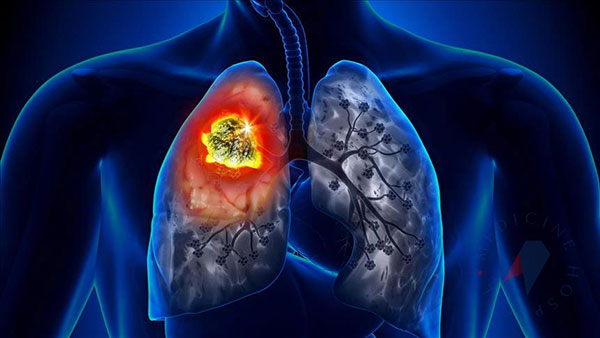
What Is Lung Cancer? Symptoms, Risk Factors, Diagnosis, and Treatment Methods
Lung cancer is a serious disease that develops as a result of the uncontrolled growth of cells in lung tissue. It is among the leading causes of cancer-related deaths worldwide. When lung cancer is detected at an early stage, this can provide significant advantages in terms of treatment options and disease control.
Accurate diagnosis and the development of an individualised treatment plan based on the characteristics of the disease are of great importance in lung cancer.
What Are the Types of Lung Cancer?
Lung cancer is mainly divided into two major groups:
Correctly identifying the type of cancer is essential for selecting the most appropriate treatment.
What Are the Risk Factors for Lung Cancer?
The most important risk factor for developing lung cancer is smoking and the use of other tobacco products. Exposure to tobacco smoke from other people can also increase the risk.
Other risk factors may include exposure to radon, occupational exposure to asbestos and certain chemicals, air pollution, a family history of lung cancer, certain chronic lung diseases and previous radiation therapy to the chest area.
Not smoking and avoiding exposure to tobacco smoke are important steps in reducing the risk of lung cancer.
What Are the Symptoms of Lung Cancer?
In its early stages, lung cancer may not cause any symptoms. When symptoms do occur, they may be confused with those of other respiratory diseases.
Symptoms that should be taken into consideration include:
Having one or more of these symptoms does not necessarily mean that a person has lung cancer. However, it is important to seek medical advice if symptoms persist or gradually worsen.
How Is Lung Cancer Diagnosed?
The diagnostic process is planned according to the patient's symptoms, medical history, physical examination and any necessary tests.
When lung cancer is suspected, the following may be used:
A biopsy and pathological examination play an important role in determining the type of cancer. Molecular testing may help assess targeted therapy options in suitable patients.
Why Is Staging of Lung Cancer Important?
The stage of the disease plays an important role in developing a treatment plan.
In general:
Staging helps determine the extent of the disease and select the most appropriate treatment approach.
How Is Lung Cancer Treatment Planned?
Lung cancer treatment is planned individually, taking into account the type and stage of the cancer, the characteristics of the tumour and the patient's overall health condition.
Depending on the individual case, treatment options may include surgery, chemotherapy, radiotherapy, immunotherapy and targeted therapy, either alone or in combination.
Why Is Early Detection of Lung Cancer Important?
Because lung cancer is often diagnosed at an advanced stage, early detection is extremely important.
For people at high risk, screening with low-dose computed tomography (CT) may help detect lung cancer before symptoms develop, when appropriate.
Screening is not suitable for everyone. The decision to undergo screening should be made by a doctor after evaluating factors such as age, smoking history and other risk factors.
Can Lung Cancer Be Prevented?
Not all cases of lung cancer can be prevented but important steps can be taken to reduce the risk:
When Should You See a Doctor?
If you have a persistent or gradually worsening cough, shortness of breath, chest pain, bloody sputum, hoarseness or unexplained weight loss, it is important to consult a doctor or healthcare provider.
In particular, people who have smoked for a long time or have other risk factors are advised to discuss their individual risk with a doctor.
Can Lung Cancer Be Completely Cured?
The response to treatment for lung cancer depends on the type and stage of the disease, the characteristics of the tumour and the patient's overall health condition.
For some patients whose disease is detected at an early stage and who receive appropriate treatment, long-term disease control and complete cure may be possible. In advanced stages, the goals of treatment may include controlling the disease, prolonging life and maintaining quality of life.
Frequently Asked Questions
Does Lung Cancer Occur Only in Smokers?
No. Smoking is an important risk factor but lung cancer can also develop in people who have never smoked.
What Is the First Symptom of Lung Cancer?
Lung cancer may not cause symptoms in its early stages. When symptoms do occur, they may include a persistent cough, shortness of breath, chest pain or coughing up blood.
Can Lung Cancer Be Treated with Surgery?
If the stage of the disease, the characteristics of the tumour and the patient's overall health condition allow, surgical treatment may be performed.
Is Only One Treatment Method Used for Lung Cancer?
Not always. Depending on the patient's condition, surgery, chemotherapy, radiotherapy, immunotherapy and targeted therapy may be used individually or in combination.
Can Lung Cancer Be Detected at an Early Stage?
In some people at high risk, lung cancer may be detected at an early stage through appropriate screening methods. The need for screening should be assessed by a doctor based on the individual's risk factors.





 Whatsapp
 Phone
Phone