



Treatment of Benign Prostatic Enlargement Using the ThuLEP Method
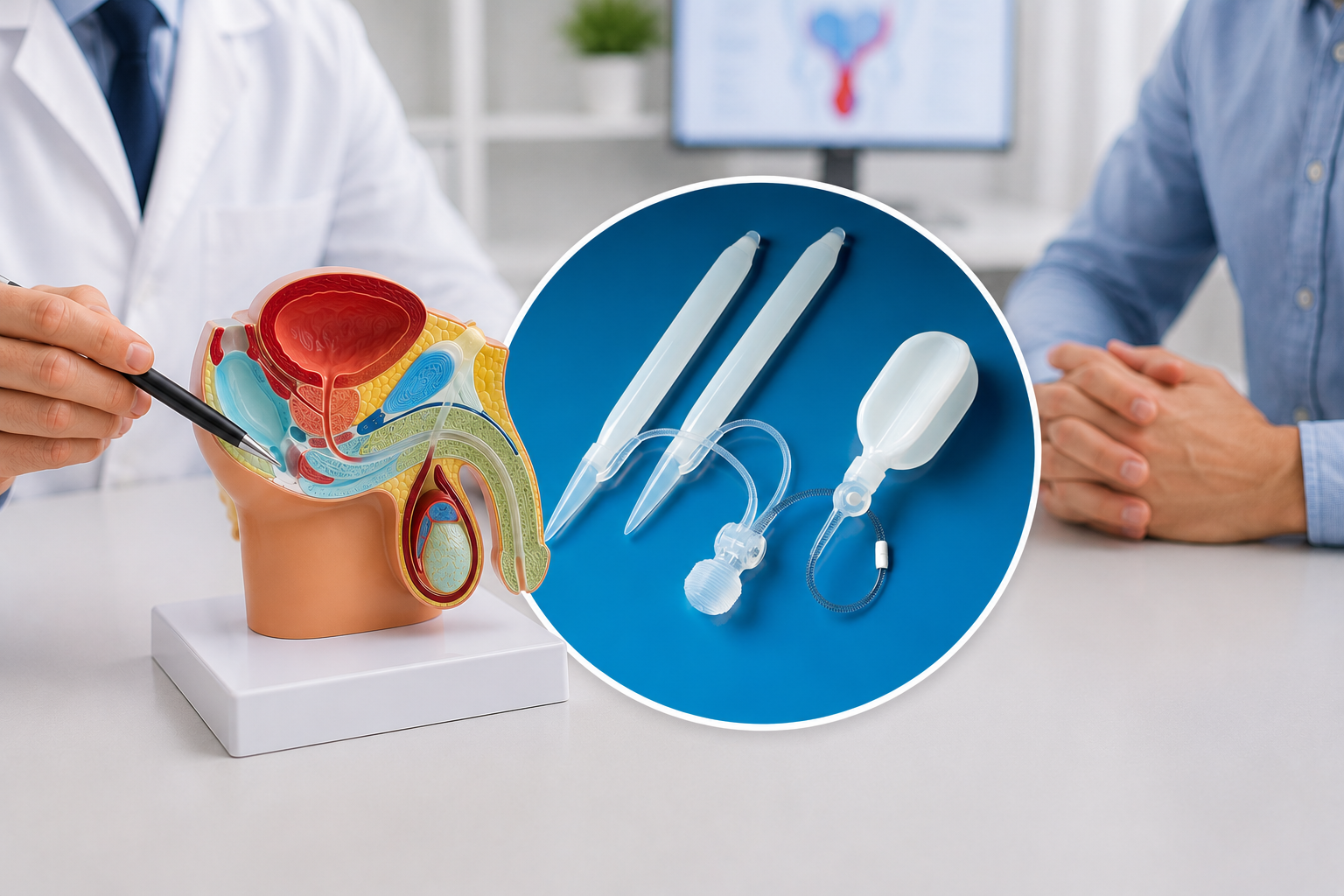
ThuLEP, or Thulium Laser Enucleation of the Prostate, is a modern surgical method used for the treatment of benign prostatic enlargement.
In this procedure, enlarged prostate tissue that obstructs normal urine flow is removed using a thulium laser. The operation is performed through the urethra, the natural urinary passage, without making an external skin incision.
The part of the prostate that obstructs urine flow is separated in a controlled manner, pushed into the bladder, and then morcellated, meaning cut into small pieces, using a special medical instrument and removed from the body.
For Which Patients Is ThuLEP Suitable?
The ThuLEP method may be considered as an option for:
The appropriate treatment method is determined individually by a urologist after a medical examination and the necessary diagnostic tests.
What Are the Potential Advantages of ThuLEP?
For patients taking blood-thinning medication, the method may be considered as one of the available options. The decision to stop, continue, or change the medication is made individually by the treating specialists.
What Is the Recovery Period Like After ThuLEP?
After ThuLEP, many patients experience:
During the first few days after the operation, a temporary burning sensation during urination, increased urinary frequency or urgency, or a small amount of blood in the urine may occur. These complaints usually decrease gradually.
Follow-up examinations, medications, and the recommendations of the treating physician are important parts of the recovery process.
Why Is ThuLEP Performed?
ThuLEP is one of the modern endoscopic options for the surgical treatment of benign prostatic enlargement. The method can also be used in patients with large prostates and may help improve urination and quality of life.
The choice of ThuLEP or another surgical method is made individually according to prostate size, symptom severity, accompanying diseases, and the patient's general health condition.
The information on this page is for general informational purposes only and does not replace a medical examination, diagnosis, or an individual treatment plan. The appropriate treatment method is determined by a urologist after evaluating the patient's health condition.



 Whatsapp
 Phone
Phone